As an API project, APIs-guru/graphql-lodash has picked up 1.2k stars on GitHub (TypeScript). 🛠 Data manipulation for GraphQL queries with lodash syntax
Snapshot summary built from the project's own GitHub metadata — there's no written TopGit review yet. The page will update automatically when a full review is published.
WHY NO REVIEW YET
TopGit writes full reviews for the most-starred, most-requested repositories. This page is a snapshot until then — see the READ ME tab for the original README in full.
Unleash the power of lodash inside your GraphQL queries
Table of contents
Why?
Example queries
API
Usage Examples
fetch
Caching clients
Usage with react-apollo
Usage on server-side (tl;dr don't)
Why?
GraphQL allows to ask for what you need and get exactly that. But what about the shape?
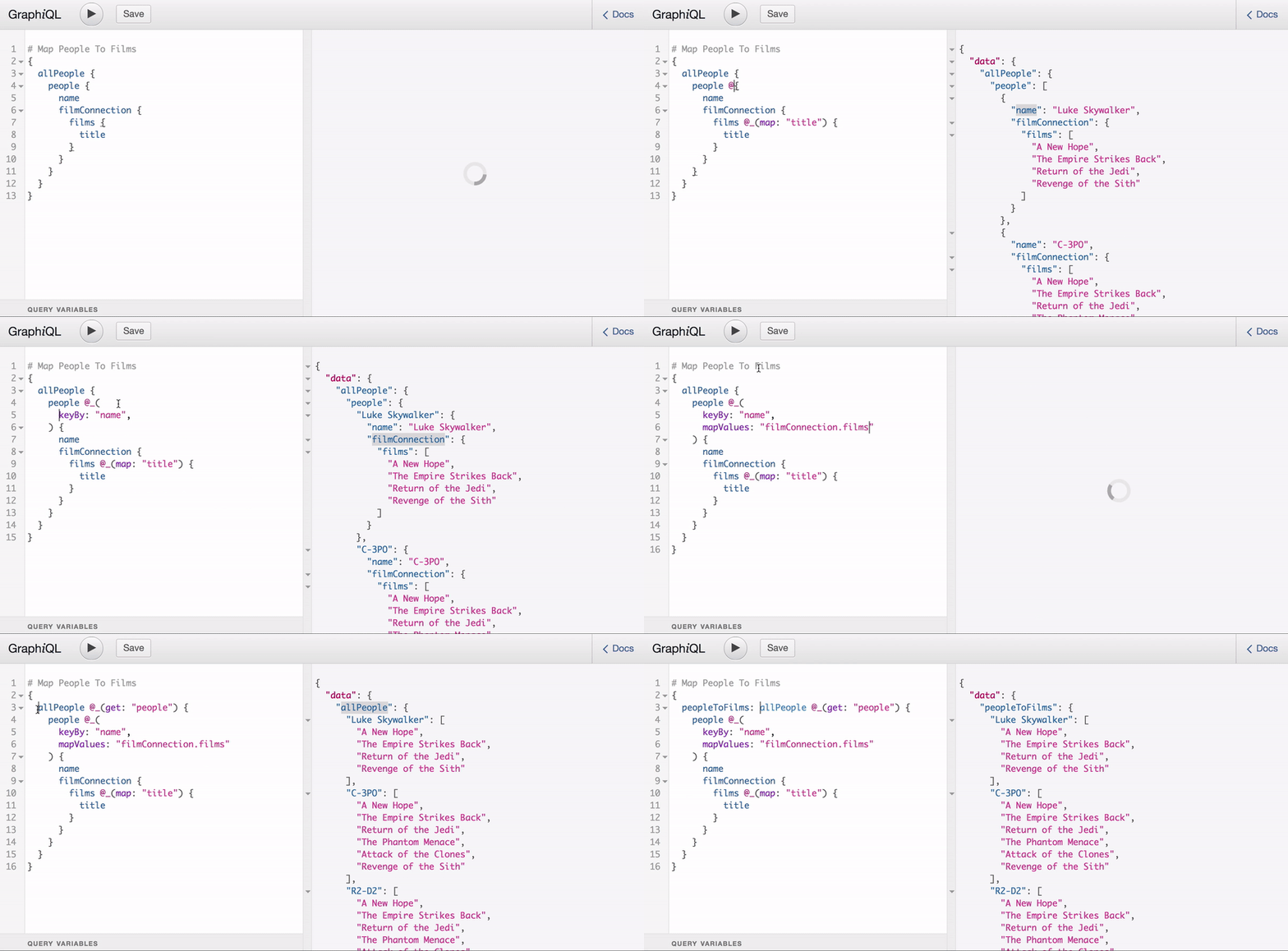
GraphQL Lodash gives you the power of lodash right inside your GraphQL Query using @_ directive.
Note: This is an experimental project created to explore the concept of Query and transformation collocation.
We encourage you to try it inside our demo or check detailed walkthrough.
Example queries
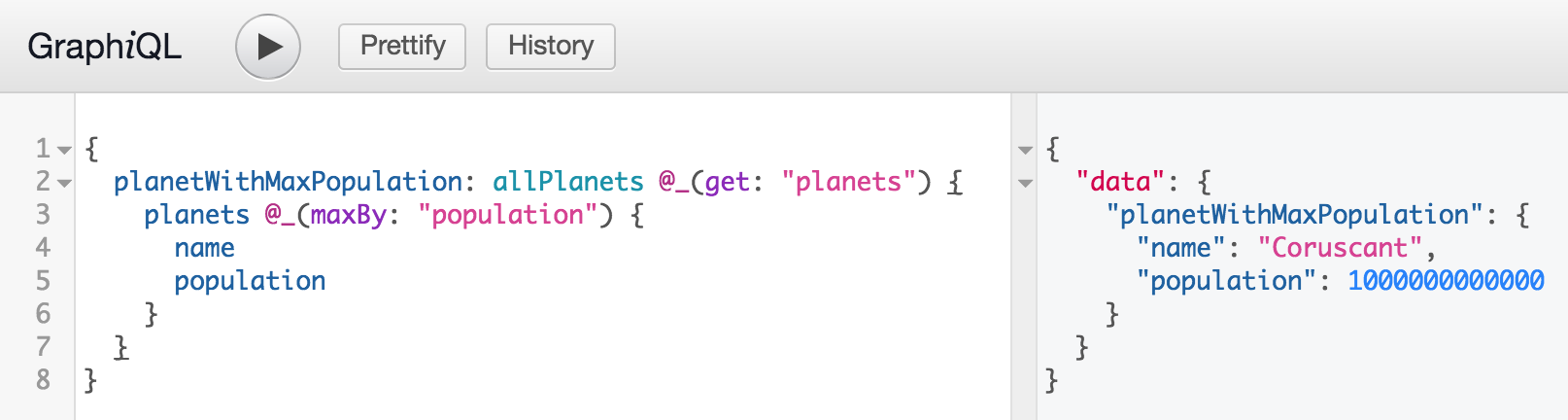
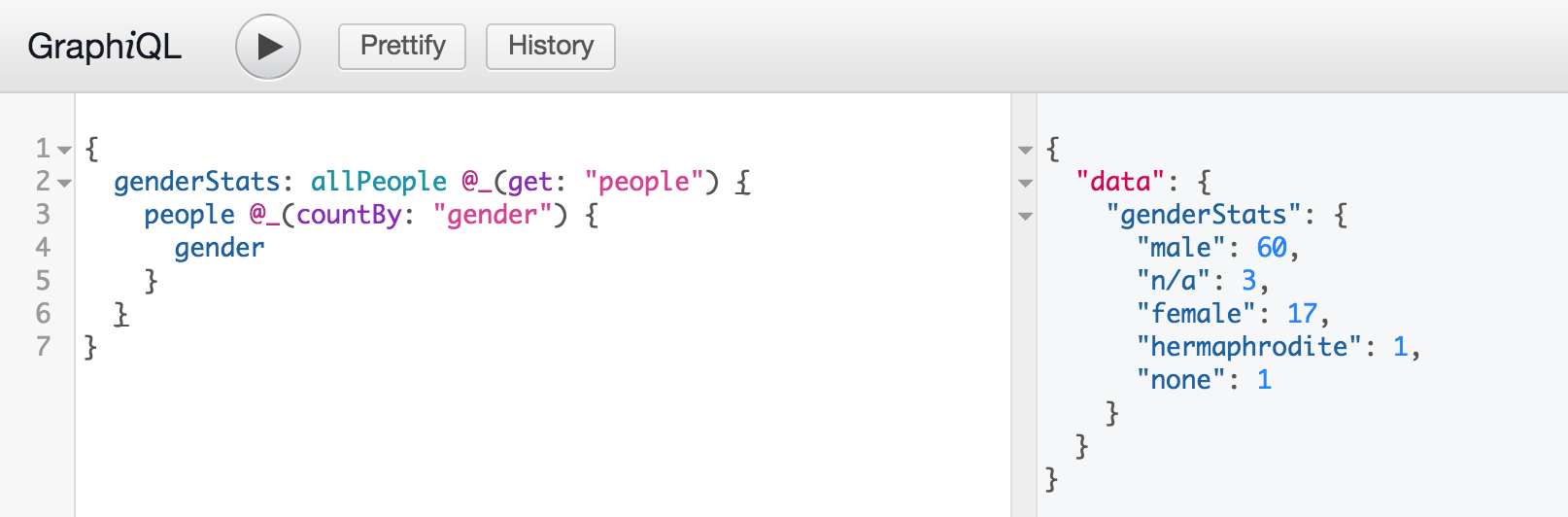
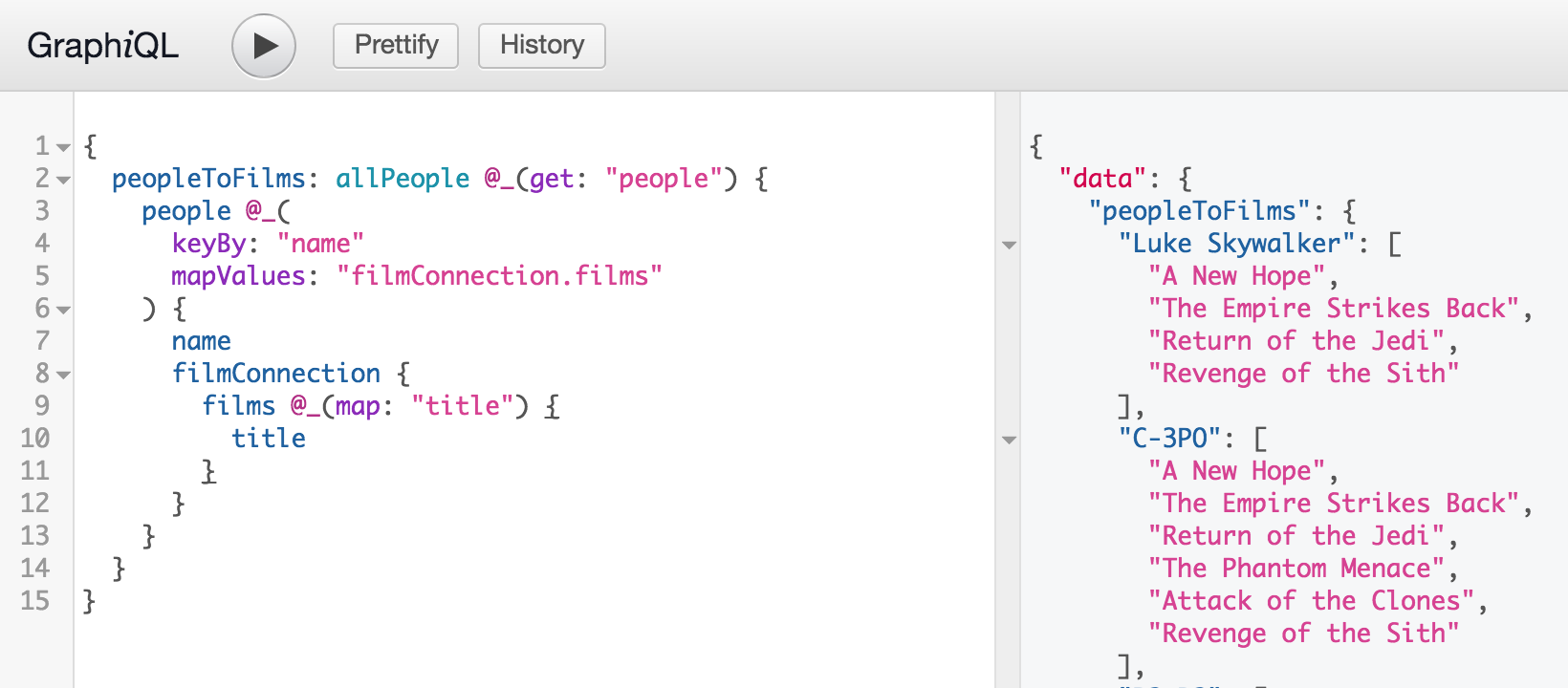
Here are a few query examples you can run against StartWars API:
Find the planet with the biggest population
Get gender statistics
Map characters to films they are featured in
Install
npm install --save graphql-lodash
or
yarn add graphql-lodash
API
graphqlLodash(query, [operationName])
query (required) - query string or query AST
operationName (optional) - required only if the query contains multiple operations
Returns
{
  query: string|object,
  transform: Function
}
query - the original query with stripped @_ directives
transform - function that receives response.data as a single argument and returns
the same data in the intended shape.
Usage Examples
The simplest way to integrate graphql-lodash is to write wrapper function for graphql client of you choice:
import { graphqlLodash } from 'graphql-lodash';

function lodashQuery(queryWithLodash) {
  let { query, transform } = graphqlLodash(queryWithLodash);
  // Make a GraphQL call using 'query' variable as a query
  // And place result in 'result' variable
  ...
  result.data = transform(result.data);
  return result;
}
Fetch example
An example of a simple client based on fetch API:
function executeGraphQLQuery(url, query) {
  return fetch(url, {
    method: 'POST',
    headers: new Headers({"content-type": 'application/json'}),
    body: JSON.stringify({ query: query })
  }).then(response => {
    if (response.ok)
      return response.json();
    return response.text().then(body => {
      throw Error(response.status + ' ' + response.statusText + '\n' + body);
    });
  });
}

function lodashQuery(url, queryWithLodash) {
  let { query, transform } = window.GQLLodash.graphqlLodash(queryWithLodash);
  return executeGraphQLQuery(url, query).then(result => {
    result.data = transform(result.data);
    return result;
  });
}

// then use as bellow
lodashQuery('https://swapi.apis.guru', `{
  planetWithMaxPopulation: allPlanets @_(get: "planets") {
    planets @_(maxBy: "population") {
      name
      population
    }
  }
}`).then(result => console.log(result.data));
Caching clients
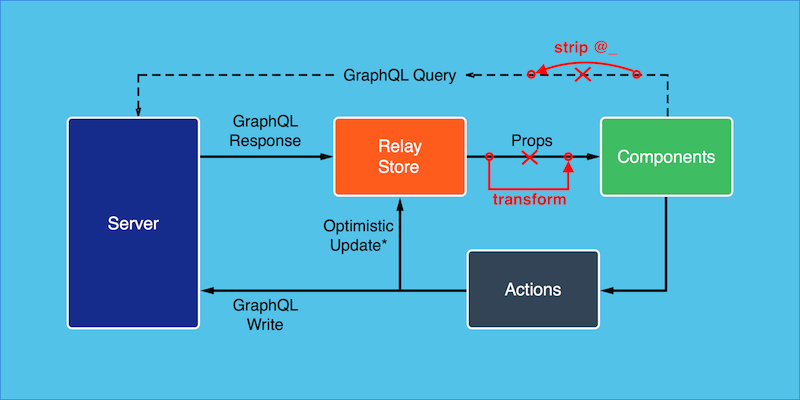
For caching clients like Relay and Apollo we recommend to apply the transformation after the caching layer.
Here is proposed solution for Relay:
We are still figuring out how to do this and any feedback is welcome.
Usage with react-apollo
When using with Apollo you can use props option to apply transformations:
Chaining this link with the other links passed to your ApolloClient
will apply the transformation to every query that
Apollo runs, such as those from the <Query /> component or
subscriptions.
Introspection queries
If your application uses introspection queries (like GraphiQL does to
get documentation and autocomplete information), you will also need to
extend the introspection query result with the directives from
graphql-lodash. One way you could do this is:
import {
  buildClientSchema,
  extendSchema,
  graphqlSync,
  introspectionQuery,
} from 'graphql';

// inside the above ApolloLink function
if (response.data && response.data.__schema) {
  const schema = extendSchema(
    buildClientSchema(response.data),
    lodashDirectiveAST,
  );
  return graphqlSync(schema, introspectionQuery);
}
See the demo/ source in this repo for another example of modifying
the introspection query result.
Usage on server side
In theory, this tool can be used on the server. But this will break the contract and, most likely,
will break all the GraphQL tooling you use. Use it on server-side only if you know what you do.
How active is development on APIs-guru/graphql-lodash?
The most recent commit recorded on APIs-guru/graphql-lodash was 4.2 years ago, based on the GitHub push timestamp. The repository has 47 forks — one of the better signals of community interest.
Is APIs-guru/graphql-lodash open source?
Yes — APIs-guru/graphql-lodash ships under the MIT license, which makes its source code freely readable (and, depending on license terms, forkable and reusable). Source: github.com/APIs-guru/graphql-lodash.
What license does APIs-guru/graphql-lodash use?
APIs-guru/graphql-lodash is released under the MIT license. Always verify the LICENSE file directly on GitHub for the authoritative terms — license strings can be edited out of sync with a project's actual stance.
What topics is APIs-guru/graphql-lodash associated with?
GitHub's repository topics for APIs-guru/graphql-lodash: "api", "functional-programming", "graphql", "lodash". TopGit's editorial category is API.
Where can I see APIs-guru/graphql-lodash in action?
The project maintains a homepage at https://apis.guru/graphql-lodash/. The README tab on this page also usually contains screenshots and a quickstart.
Where do I read more about APIs-guru/graphql-lodash?
This TopGit page is a snapshot — the READ ME tab shows the project's own README content (links stripped, images preserved). The GitHub repository at github.com/APIs-guru/graphql-lodash is the definitive source.
Read full README in the tab above.
Still deciding about graphql-lodash?
One click hands the question to an AI along with this page — see what it says about graphql-lodash.
 /graphql-lodash