uber-go/dig

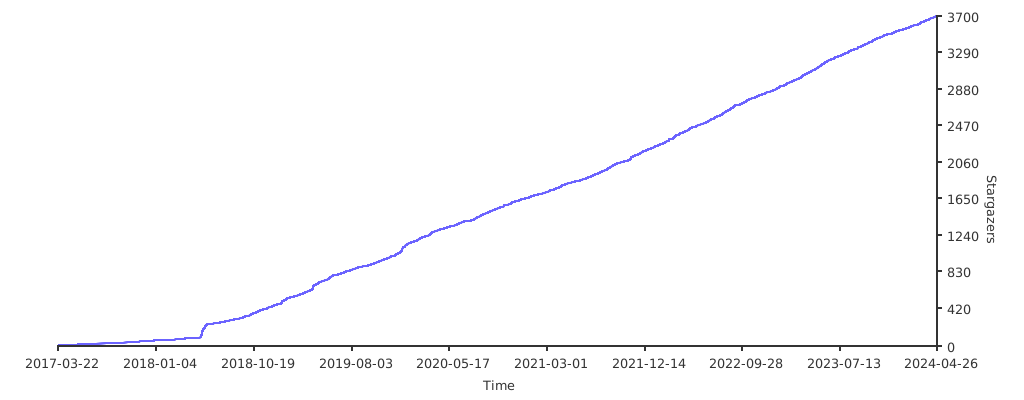
uber-go/dig is a Backend project on GitHub, written primarily in Go. It has 4.5k stars. A reflection based dependency injection toolkit for Go.
Snapshot summary built from the project's own GitHub metadata — there's no written TopGit review yet. The page will update automatically when a full review is published.
TopGit writes full reviews for the most-starred, most-requested repositories. This page is a snapshot until then — see the READ ME tab for the original README in full.
Snapshot
Top contributors
Show top contributors




Related repositories
Quick answers
Is uber-go/dig open source?
Yes — uber-go/dig ships under the MIT license, which makes its source code freely readable (and, depending on license terms, forkable and reusable). Source: github.com/uber-go/dig.
What else is in the Backend space?
uber-go/dig is tracked by TopGit under the Backend category, alongside 4 GitHub-tagged topics. Trending and Topics pages list peer repositories of comparable stars and language.
What is uber-go/dig?
uber-go/dig (uber-go/dig) is a Go project on GitHub. From the project's own README: A reflection based dependency injection toolkit for Go.
What license does uber-go/dig use?
uber-go/dig is released under the MIT license. Always verify the LICENSE file directly on GitHub for the authoritative terms — license strings can be edited out of sync with a project's actual stance.
Where can I see uber-go/dig in action?
The project maintains a homepage at https://go.uber.org/dig. The README tab on this page also usually contains screenshots and a quickstart.
Where do I read more about uber-go/dig?
This TopGit page is a snapshot — the READ ME tab shows the project's own README content (links stripped, images preserved). The GitHub repository at github.com/uber-go/dig is the definitive source.
Why is uber-go/dig categorized under Backend?
TopGit places uber-go/dig in the Backend category based on its GitHub topics and description (tagged: "dependency-injection", "di", "go"). Categories are assigned from real repository metadata, not editorial guesswork.
Read full README in the tab above.