Là một công cụ AI, 78/xiaozhi-esp32 đã đạt 28.7k sao trên GitHub, ngôn ngữ C++. An MCP-based chatbot | 一个基于MCP的聊天机器人
Tóm tắt dựng từ metadata GitHub của chính dự án — chưa có bài review TopGit. Trang sẽ tự động cập nhật khi bài review đầy đủ được xuất bản.
VÌ SAO CHƯA CÓ REVIEW
TopGit viết bài đầy đủ cho repo có nhiều sao nhất và được yêu cầu nhiều nhất. Trang này là snapshot trong thời gian chờ — xem README gốc ở tab READ ME.
👉 Human: Give AI a camera vs AI: Instantly finds out the owner hasn't washed hair for three days【bilibili】
👉 Handcraft your AI girlfriend, beginner's guide【bilibili】
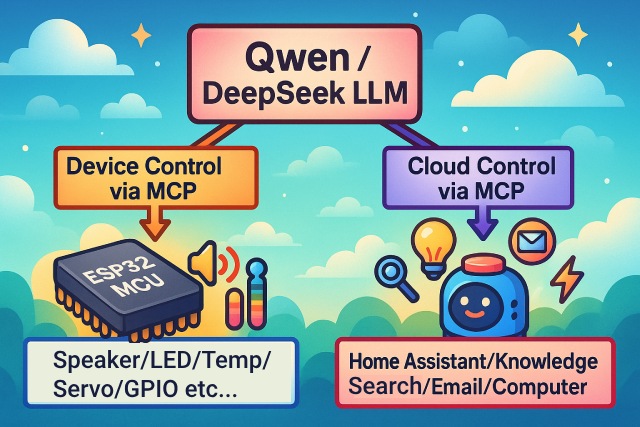
As a voice interaction entry, the XiaoZhi AI chatbot leverages the AI capabilities of large models like Qwen / DeepSeek, and achieves multi-terminal control via the MCP protocol.
Recent Updates
The mainline now targets ESP-IDF v6.0 or later, with v6.0.2 as the preferred stable SDK. The previous 157-variant baseline was validated on ESP-IDF v6.0.1; the current matrix contains 171 variants, of which 170 support IDF 6.0.x and the ESP32-S31 variant requires IDF 6.1 or later.
MQTT and BluFi cryptographic code has migrated to PSA Crypto. IDF 6 component splits and third-party dependency compatibility have also been addressed.
Audio pipeline concurrency, MQTT/UDP packet validation, and release-matrix selection have been hardened.
ESP-IDF v5.5 is retained only for documented legacy boards. ESP32-P4 Rev1 and Rev3 are both supported on IDF 6 with ESP-SR 2.4.7; see the ESP-IDF 6.0 Migration Guide for full compatibility and board-validation details.
Features Implemented
Wi-Fi, wired Ethernet, USB RNDIS, and ML307/EC801E or NT26 Cat.1 4G networking; supported boards can switch between Wi-Fi and 4G
Offline voice wake-up with ESP-SR, including customizable wake words
Two communication transports: WebSocket and MQTT + UDP
Opus audio streaming with conventional streaming ASR + LLM + TTS pipelines and Realtime end-to-end voice models; AEC-capable hardware supports realtime full-duplex interaction
Speaker recognition, identifies the current speaker 3D Speaker
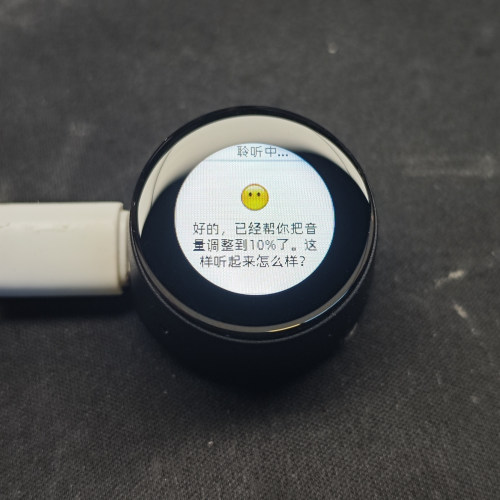
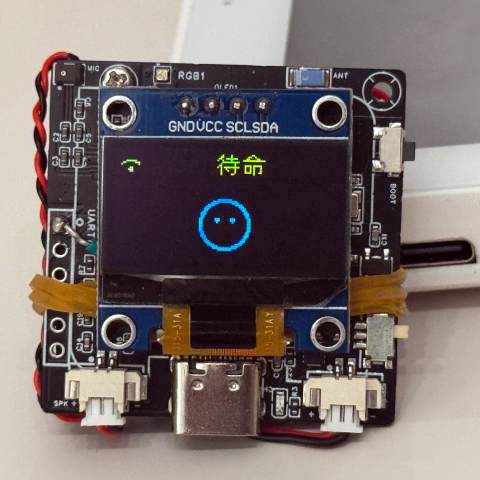
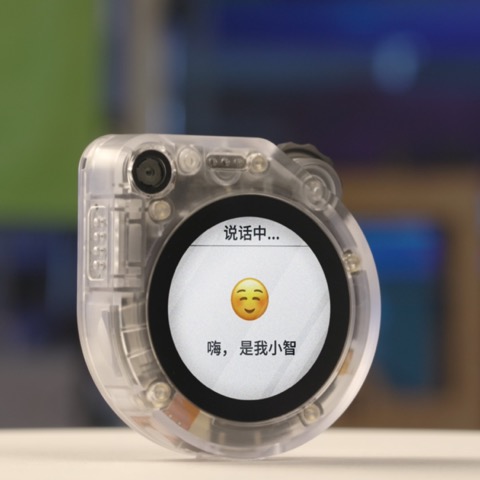
OLED / LCD displays with emoji and rich expression support, plus camera vision input on supported boards
Battery display and power management
38 interface languages, with localized voice prompts where available and English fallback
ESP32, ESP32-C3, ESP32-C5, ESP32-C6, ESP32-S3, and ESP32-P4 chip platforms
Wi-Fi provisioning through hotspot or BluFi
Device-side MCP for device control (Speaker, LED, Servo, GPIO, etc.)
Cloud-side MCP to extend large model capabilities (smart home control, PC desktop operation, knowledge search, email, etc.)
Customizable wake words, fonts, emojis, and chat backgrounds with online web-based editing (Custom Assets Generator)
Hardware
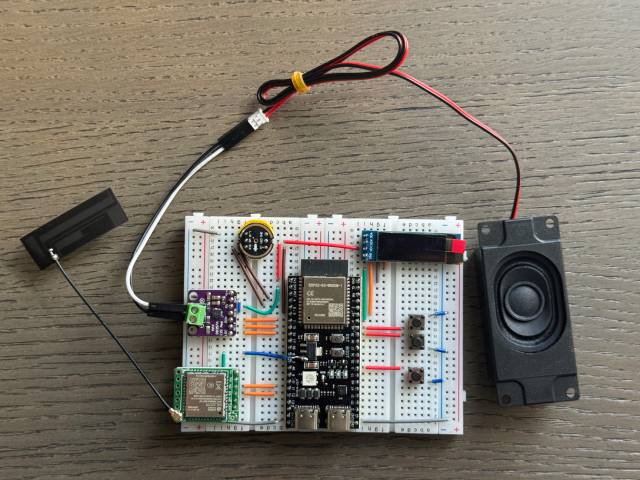
Breadboard DIY Practice
See the Feishu document tutorial:
👉 "XiaoZhi AI Chatbot Encyclopedia"
Breadboard demo:
Supports 138 Board Directories and 171 Release Variants (Partial List)
LiChuang ESP32-S3 Development Board
Espressif ESP32-S3-BOX-3
M5Stack CoreS3
M5Stack AtomS3R + Echo Base
Magic Button 2.4
Waveshare ESP32-S3-Touch-AMOLED-1.8
LILYGO T-Circle-S3
XiaGe Mini C3
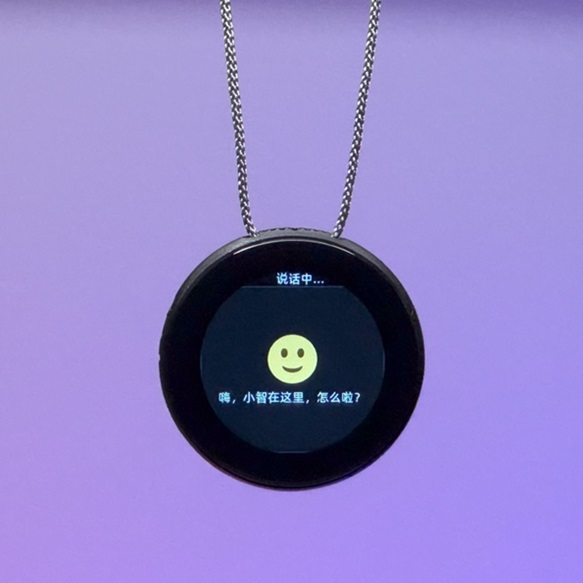
CuiCan AI Pendant
WMnologo-Xingzhi-1.54TFT
SenseCAP Watcher
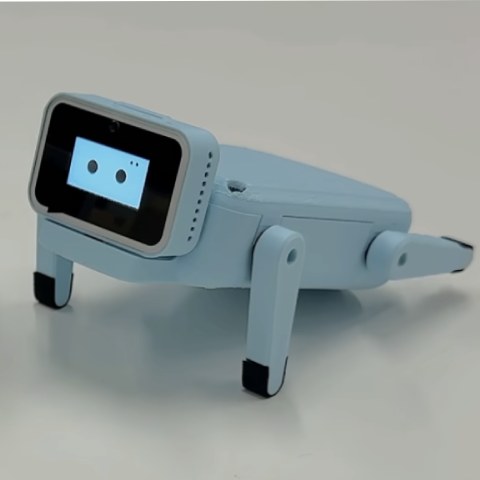
ESP-HI Low Cost Robot Dog
Software
Firmware Flashing
For beginners, it is recommended to use the firmware that can be flashed without setting up a development environment.
The firmware connects to the official xiaozhi.me server by default. Personal users can register an account to use the Qwen real-time model for free.
👉 Beginner's Firmware Flashing Guide
Development Environment
Cursor or VSCode
Install the ESP-IDF plugin. ESP-IDF v6.0.2 is preferred; use a stable v6.0 or later release. ESP-IDF v5.5.2 is retained only for legacy board compatibility
Linux is better than Windows for faster compilation and fewer driver issues
This project uses Google C++ code style, please ensure compliance when submitting code
Developer Documentation
ESP-IDF 6.0 Migration Guide - SDK compatibility, component changes, legacy hardware support, and board validation status
Custom Board Guide - Learn how to create custom boards for XiaoZhi AI
MCP Protocol IoT Control Usage - Learn how to control IoT devices via MCP protocol
78/xiaozhi-esp32 có 28.7k sao GitHub — tải lại trang để xem số mới nhất, hoặc xem trực tiếp github.com/78/xiaozhi-esp32. TopGit phản chiếu số sao của GitHub nhưng không cam kết đến từng phút.
78/xiaozhi-esp32 có phải mã nguồn mở không?
Có — 78/xiaozhi-esp32 phát hành theo license MIT, nghĩa là mã nguồn mở để đọc, fork và (tùy license) tái sử dụng. Mã: github.com/78/xiaozhi-esp32.
78/xiaozhi-esp32 còn đang phát triển không?
Commit gần nhất trên 78/xiaozhi-esp32 là 6 ngày trước (theo timestamp GitHub). Repo có 6.5k fork — một chỉ báo về mức độ quan tâm của cộng đồng.
78/xiaozhi-esp32 là gì?
78/xiaozhi-esp32 (78/xiaozhi-esp32) là dự án C++ trên GitHub. Theo mô tả gốc: An MCP-based chatbot | 一个基于MCP的聊天机器人
78/xiaozhi-esp32 so với các dự án AI Tools khác thế nào?
78/xiaozhi-esp32 được TopGit xếp vào nhóm AI Tools, với 28.7k sao GitHub và viết bằng C++. Xem trang chủ đề AI Tools trên TopGit để so sánh với các dự án tương tự theo số sao và mức độ hoạt động.
Đọc thêm về 78/xiaozhi-esp32 ở đâu?
Trang TopGit này là một snapshot — tab "Readme" hiển thị nguyên văn README của repo (đã bỏ link, giữ ảnh). Repo GitHub ở github.com/78/xiaozhi-esp32 là nguồn chính thức.
Đọc đầy đủ README ở tab phía trên.
Chưa chắc xiaozhi-esp32 có hợp với bạn?
Để ChatGPT, Claude hoặc Perplexity tìm hiểu giúp — bấm bên dưới và xem AI nói gì về xiaozhi-esp32.