trekhleb/machine-learning-experiments — 1.8k★ trên GitHub (Jupyter Notebook). 🤖 Interactive Machine Learning experiments: 🏋️models training + 🎨models demo
Tóm tắt dựng từ metadata GitHub của chính dự án — chưa có bài review TopGit. Trang sẽ tự động cập nhật khi bài review đầy đủ được xuất bản.
VÌ SAO CHƯA CÓ REVIEW
TopGit viết bài đầy đủ cho repo có nhiều sao nhất và được yêu cầu nhiều nhất. Trang này là snapshot trong thời gian chờ — xem README gốc ở tab READ ME.
🇺🇦 UKRAINE IS BEING ATTACKED BY RUSSIAN ARMY. CIVILIANS ARE GETTING KILLED. RESIDENTIAL AREAS ARE GETTING BOMBED.
Help Ukraine via:
Serhiy Prytula Charity Foundation
Come Back Alive Charity Foundation
National Bank of Ukraine
More info on war.ukraine.ua and MFA of Ukraine
This is a collection of interactive machine-learning experiments. Each experiment consists of 🏋️ Jupyter/Colab notebook (to see how a model was trained) and 🎨 demo page (to see a model in action right in your browser).
🎨 Launch ML experiments demo
🏋️ Launch ML experiments Jupyter notebooks
You might also be interested in Homemade GPT • JS
⚠️ This repository contains machine learning experiments and not a production ready, reusable, optimised and fine-tuned code and models. This is rather a sandbox or a playground for learning and trying different machine learning approaches, algorithms and data-sets. Models might not perform well and there is a place for overfitting/underfitting.
Experiments
Most of the models in these experiments were trained using TensorFlow 2 with Keras support.
Supervised Machine Learning
Supervised learning is when you have input variables X and an output variable Y and you use an algorithm to learn the mapping function from the input to the output: Y = f(X). The goal is to approximate the mapping function so well that when you have new input data X that you can predict the output variables Y for that data. It is called supervised learning because the process of an algorithm learning from the training dataset can be thought of as a teacher supervising the learning process.
Multilayer Perceptron (MLP) or simple Neural Network (NN)
A multilayer perceptron (MLP) is a class of feedforward artificial neural network (ANN). Multilayer perceptrons are sometimes referred to as "vanilla" neural networks (composed of multiple layers of perceptrons), especially when they have a single hidden layer. It can distinguish data that is not linearly separable.
Experiment
Model demo & training
Tags
Dataset
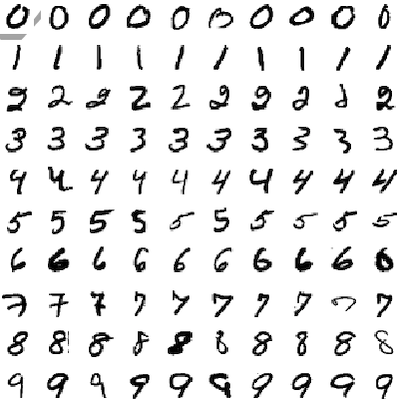
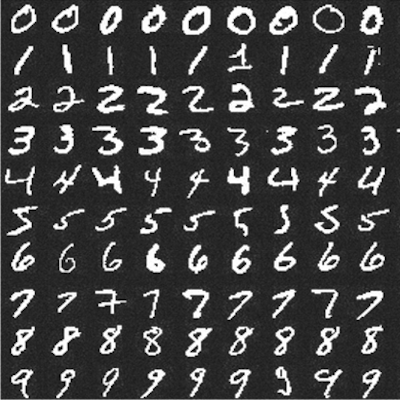
Handwritten Digits Recognition (MLP)
MLP
MNIST
Handwritten Sketch Recognition (MLP)
MLP
QuickDraw
Convolutional Neural Networks (CNN)
A convolutional neural network (CNN, or ConvNet) is a class of deep neural networks, most commonly applied to analyzing visual imagery (photos, videos). They are used for detecting and classifying objects on photos and videos, style transfer, face recognition, pose estimation etc.
Experiment
Model demo & training
Tags
Dataset
Handwritten Digits Recognition (CNN)
CNN
MNIST
Handwritten Sketch Recognition (CNN)
CNN
QuickDraw
Rock Paper Scissors (CNN)
CNN
RPS
Rock Paper Scissors (MobilenetV2)
MobileNetV2,
Transfer learning,
CNN
RPS
,
ImageNet
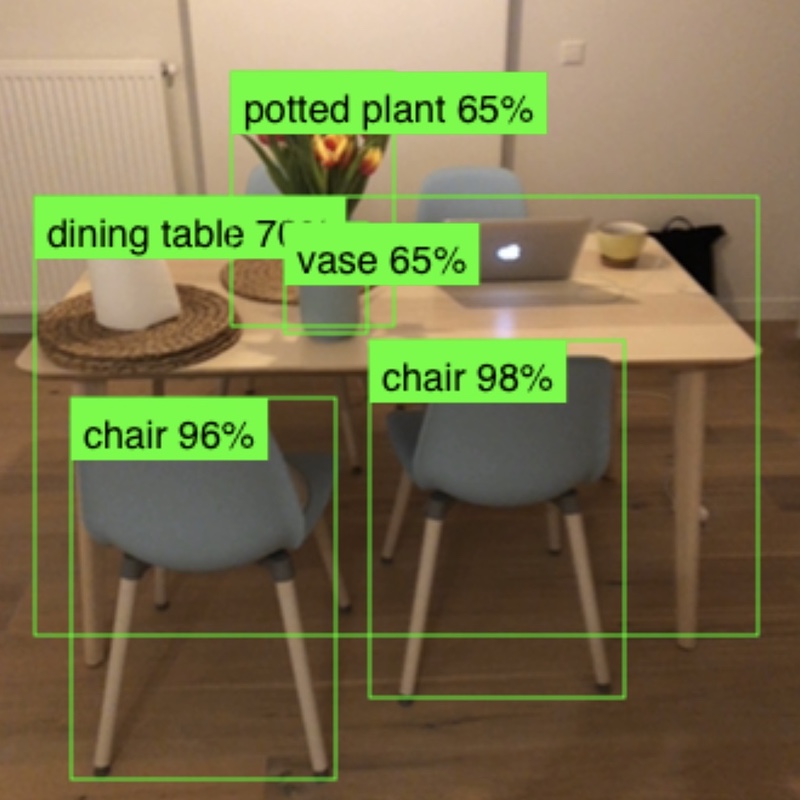
Objects Detection (MobileNetV2)
MobileNetV2,
SSDLite,
CNN
COCO
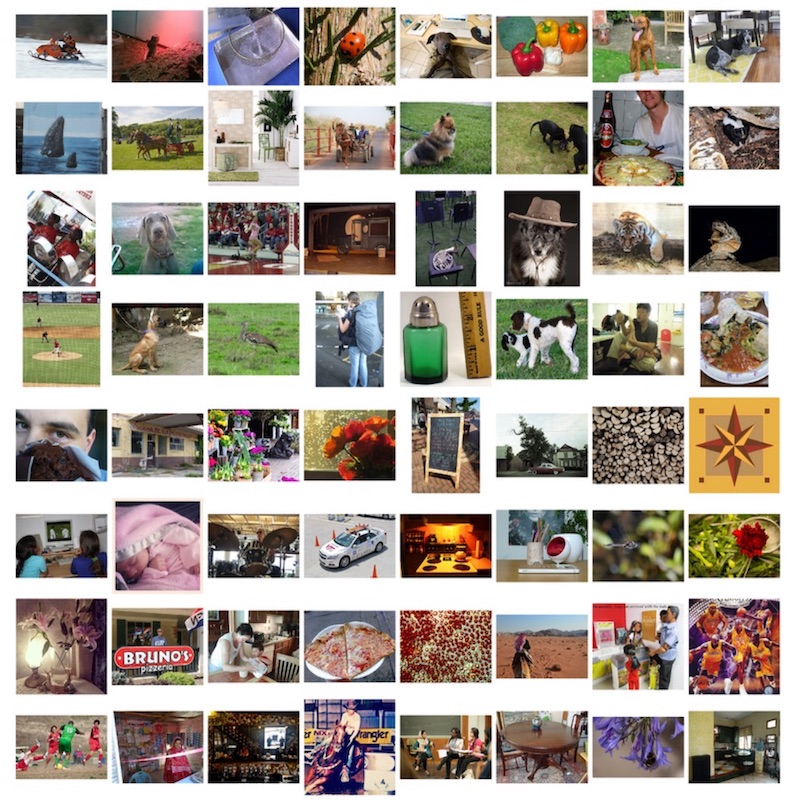
Image Classification (MobileNetV2)
MobileNetV2,
CNN
ImageNet
Recurrent Neural Networks (RNN)
A recurrent neural network (RNN) is a class of deep neural networks, most commonly applied to sequence-based data like speech, voice, text or music. They are used for machine translation, speech recognition, voice synthesis etc.
Experiment
Model demo & training
Tags
Dataset
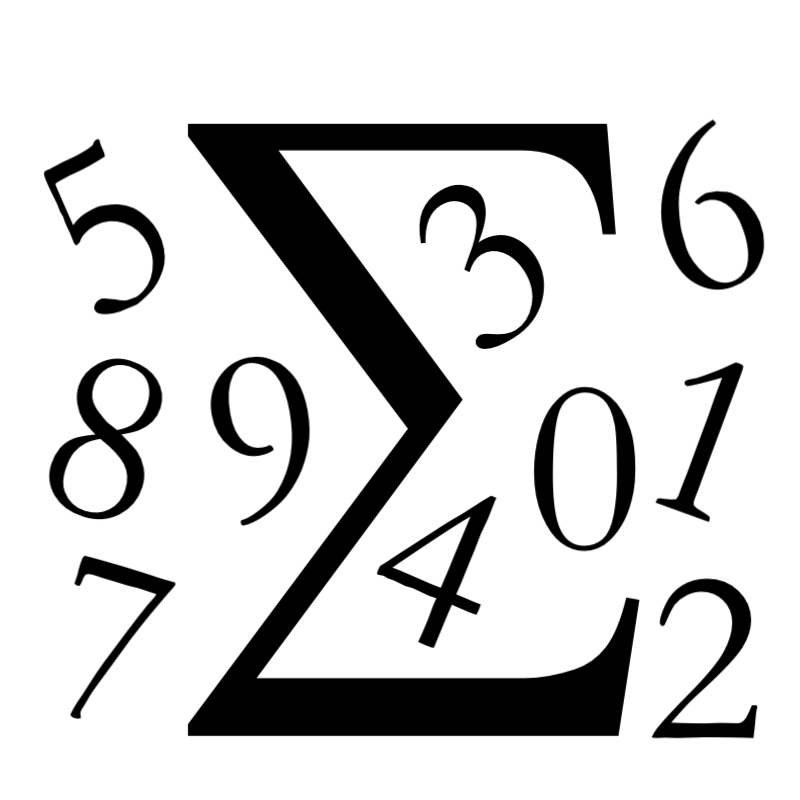
Numbers Summation (RNN)
LSTM,
Sequence-to-sequence
Auto-generated
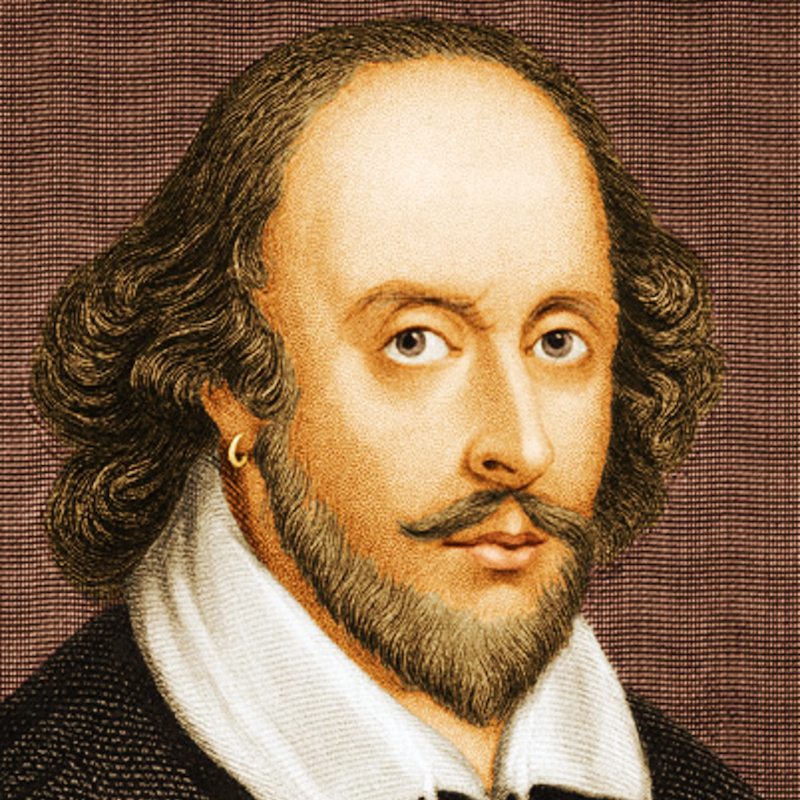
Shakespeare Text Generation (RNN)
LSTM,
Character-based RNN
Shakespeare
Wikipedia Text Generation (RNN)
LSTM,
Character-based RNN
Wikipedia
Recipe Generation (RNN)
LSTM,
Character-based RNN
Recipe box
Unsupervised Machine Learning
Unsupervised learning is when you only have input data X and no corresponding output variables. The goal for unsupervised learning is to model the underlying structure or distribution in the data in order to learn more about the data. These are called unsupervised learning because unlike supervised learning above there is no correct answers and there is no teacher. Algorithms are left to their own to discover and present the interesting structure in the data.
Generative Adversarial Networks (GANs)
A generative adversarial network (GAN) is a class of machine learning frameworks where two neural networks contest with each other in a game. Two models are trained simultaneously by an adversarial process. For example a generator ("the artist") learns to create images that look real, while a discriminator ("the art critic") learns to tell real images apart from fakes.
Experiment
Model demo & training
Tags
Dataset
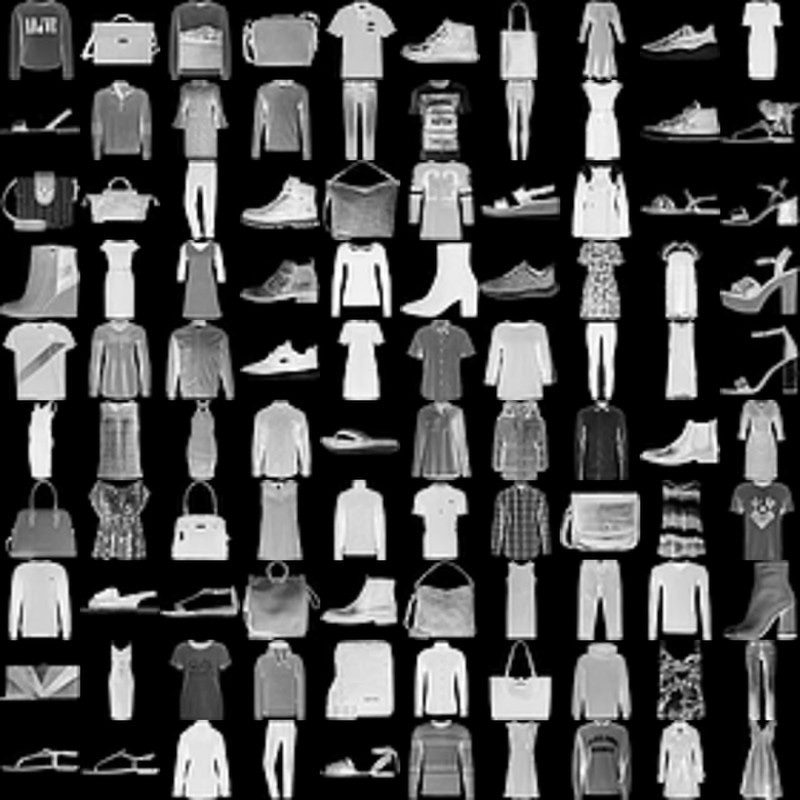
Clothes Generation (DCGAN)
DCGAN
Fashion MNIST
How to use this repository locally
Setup virtual environment for Experiments
# Create "experiments" environment (from the project root folder).
python3 -m venv .virtualenvs/experiments

# Activate environment.
source .virtualenvs/experiments/bin/activate
# or if you use Fish...
source .virtualenvs/experiments/bin/activate.fish
To quit an environment run deactivate.
Install dependencies
# Upgrade pip and setuptools to the latest versions.
pip install --upgrade pip setuptools

# Install packages
pip install -r requirements.txt
To install new packages run pip install package-name. To add new packages to the requirements run pip freeze > requirements.txt.
Launch Jupyter locally
In order to play around with Jupyter notebooks and see how models were trained you need to launch a Jupyter Notebook server.
# Launch Jupyter server.
jupyter notebook
Jupyter will be available locally at http://localhost:8888/. Notebooks with experiments may be found in experiments folder.
Launch demos locally
Demo application is made on React by means of create-react-app.
# Switch to demos folder from project root.
cd demos

# Install all dependencies.
yarn install

# Start demo server on http.
yarn start

# Or start demo server on https (for camera access in browser to work on localhost).
yarn start-https
Demos will be available locally at http://localhost:3000/ or at https://localhost:3000/.
Convert models
The converter environment is used to convert the models that were trained during the experiments from .h5 Keras format to Javascript understandable formats (tfjs_layers_model or tfjs_graph_model formats with .json and .bin files) for further usage with TensorFlow.js in Demo application.
# Create "converter" environment (from the project root folder).
python3 -m venv .virtualenvs/converter

# Activate "converter" environment.
source .virtualenvs/converter/bin/activate
# or if you use Fish...
source .virtualenvs/converter/bin/activate.fish

# Install converter requirements.
pip install -r requirements.converter.txt
The conversion of keras models to tfjs_layers_model/tfjs_graph_model formats is done by tfjs-converter:
For example:
tensorflowjs_converter --input_format keras \
  ./experiments/digits_recognition_mlp/digits_recognition_mlp.h5 \
  ./demos/public/models/digits_recognition_mlp
⚠️ Converting the models to JS understandable formats and loading them to the browser directly might not be a good practice since in this case the user might need to load tens or hundreds of megabytes of data to the browser which is not efficient. Normally the model is being served from the back-end (i.e. TensorFlow Extended) and instead of loading it all to the browser the user will do a lightweight HTTP request to do a prediction. But since the Demo App is just an experiment and not a production-ready app and for the sake of simplicity (to avoid having an up and running back-end) we're converting the models to JS understandable formats and loading them directly into the browser.
Requirements
Recommended versions:
Python: > 3.7.3.
Node: >= 12.4.0.
Yarn: >= 1.13.0.
In case if you have Python version 3.7.3 you might experience RuntimeError: dictionary changed size during iteration error when trying to import tensorflow (see the issue).
You might also be interested in
Homemade Machine Learning - Python examples of popular machine learning algorithms with interactive Jupyter demos and math being explained.
NanoNeuron - 7 simple JavaScript functions that will give you a feeling of how machines can actually "learn".
Playground and Cheatsheet for Learning Python - Collection of Python scripts that are split by topics and contain code examples with explanations.
Articles
📝 Story behind the project
📝 Generating cooking recipes using TensorFlow and LSTM Recurrent Neural Network (a step-by-step guide)
Đọc thêm về trekhleb/machine-learning-experiments ở đâu?
Trang TopGit này là một snapshot — tab "Readme" hiển thị nguyên văn README của repo (đã bỏ link, giữ ảnh). Repo GitHub ở github.com/trekhleb/machine-learning-experiments là nguồn chính thức.
trekhleb/machine-learning-experiments có những chủ đề gì?
GitHub topics của trekhleb/machine-learning-experiments: "ai", "artificial-intelligence", "colab", "colab-notebook", "javascript", "jupyter-notebooks", "keras", "machine-learning", "numpy", "python", "tensorflow". TopGit xếp repo vào nhóm AI Tools.
trekhleb/machine-learning-experiments có phải mã nguồn mở không?
Có — trekhleb/machine-learning-experiments phát hành theo license MIT, nghĩa là mã nguồn mở để đọc, fork và (tùy license) tái sử dụng. Mã: github.com/trekhleb/machine-learning-experiments.
trekhleb/machine-learning-experiments có trang demo không?
Dự án có trang chủ ở https://trekhleb.dev/machine-learning-experiments/. Tab "Readme" ở trang này thường có ảnh chụp và hướng dẫn bắt đầu nhanh.
trekhleb/machine-learning-experiments còn đang phát triển không?
Commit gần nhất trên trekhleb/machine-learning-experiments là 11 tháng trước (theo timestamp GitHub). Repo có 330 fork — một chỉ báo về mức độ quan tâm của cộng đồng.
trekhleb/machine-learning-experiments dùng license gì?
trekhleb/machine-learning-experiments phát hành theo license MIT. Nên mở file LICENSE trên GitHub để xác nhận — license metadata đôi khi lệch với thực tế dự án.
Đọc đầy đủ README ở tab phía trên.
Vẫn đang phân vân về machine-learning-experiments?
Một cú bấm sẽ gửi câu hỏi kèm trang này cho AI — xem AI nói gì về machine-learning-experiments.
 /machine-learning-experiments