panjf2000/goproxy — dự án mã nguồn mở — đang có 299 sao GitHub. 🦁 goproxy is a proxy server which can forward http or https requests to remote servers./ goproxy 是一个反向代理服务器,支持转发 http/https 请求。
Tóm tắt dựng từ metadata GitHub của chính dự án — chưa có bài review TopGit. Trang sẽ tự động cập nhật khi bài review đầy đủ được xuất bản.
VÌ SAO CHƯA CÓ REVIEW
TopGit viết bài đầy đủ cho repo có nhiều sao nhất và được yêu cầu nhiều nhất. Trang này là snapshot trong thời gian chờ — xem README gốc ở tab READ ME.
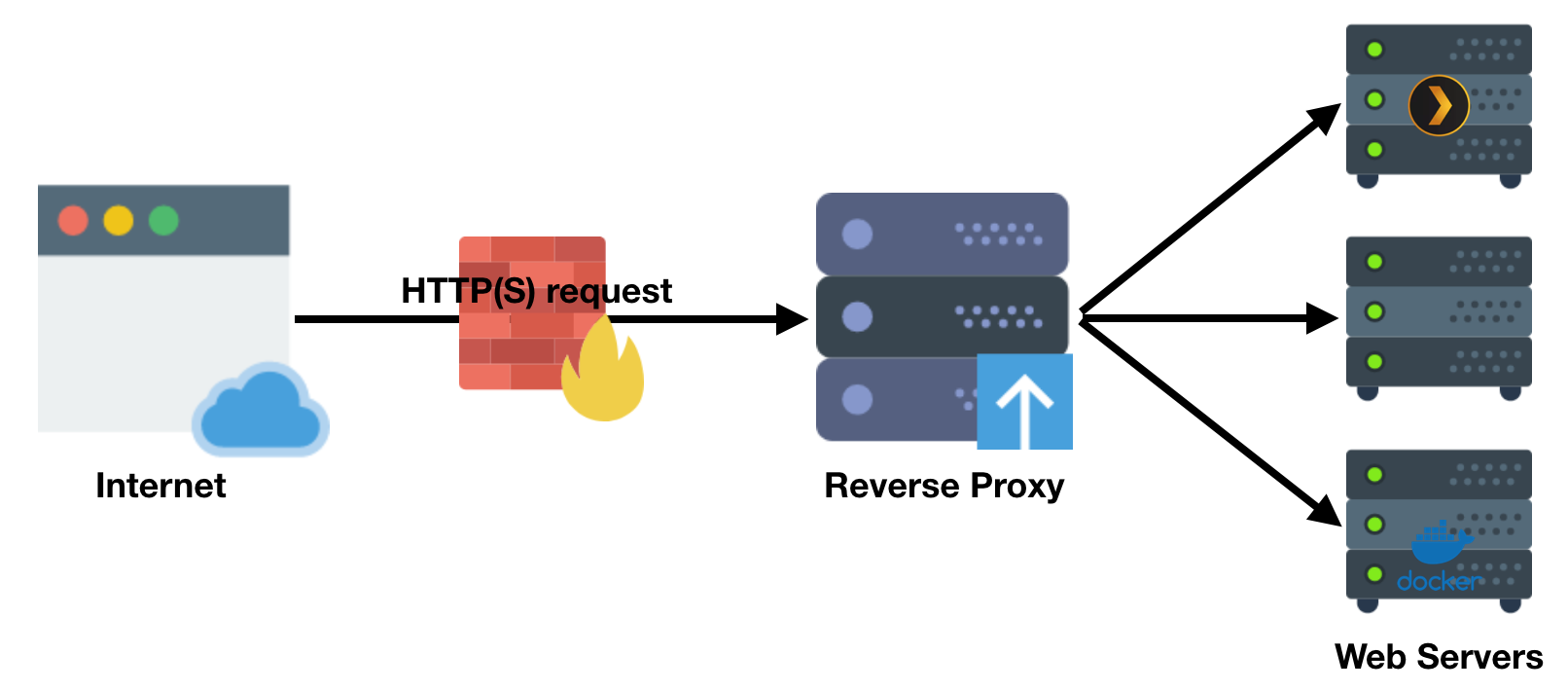
goproxy is a load-balancing, reverse-proxy server implemented in go, supporting cache( in memory or Redis). As a load-balancing server, it supports 4 algorithms: Randomized Algorithm, Weight Round Robin Algorithm, Power of Two Choices (P2C) Algorithm, IP Hash Algorithm, Consistent Hashing with Bounded Loads Algorithm, besides, goproxy can dominate the http requests: filtering and blocking specific requests and even rewriting them.
Sometimes your program needs to call some third party API and wants to customize the responses from it, in that case, goproxy will be your great choice.
🚀 Features:
Supporting reverse-proxy, 7 load-balancing algorithms in goproxy: Random, IP Hash, Round Robin, Weight Round Robin, Power of Two Choices (P2C), Consistent Hashing with Bounded Loads, Least Load
Supporting GET/POST/PUT/DELETE Methods in http and CONNECT method in https in goproxy
Supporting HTTP authentication
Filtering and blocking specific http requests and even rewriting them in goproxy
Customizing responses from third-party API
Cache support with memory or Redis to speed up the responding and the expired time of caches is configurable
Flexible and eager-loading configurations
🎉 How to use goproxy
1.Get source code
go get github.com/panjf2000/goproxy
Besides, you also need a Redis to support caching responses if you enable Redis config in goproxy.
2.Compile the source code
cd $GOPATH/src/github.com/panjf2000/goproxy

go build
3.Run
goproxy uses cfg.toml as its configurations file which is located in /etc/proxy/cfg.toml of your server, you should create a cfg.toml in there previously, here is a typical example:
proxy_pass:back-end servers that actually provide services, like ["127.0.0.1:80^10","127.0.0.1:88^5","127.0.0.1:8088^2","127.0.0.1:8888"], weight can be assigned to every single server
inverse_mode:load-balancing algoritms:0 for Randomized Algorithm; 1 for Weight Round Robin Algorithm; 2 for Power of Two Choices (P2C) Algorithm; 3 for IP Hash Algorithm based on hash ring; 4 for Consistent Hashing with Bounded Loads Algorithm
auth:enable http authentication or not
cache:enable responses caching or not
cache_timeout:expired time of responses caching, in seconds
cache_type: redis or memory
log:log level, 1 for Debug,0 for info
log_path:the path of log files
user:user name from http authentication
http_read_timeout:duration for waiting response from the back-end server, if goproxy don't get the response after this duration, it will throw an exception
http_write_timeout:duration for back-end server writing response to goproxy, if back-end server takes a longer time than this duration to write its response into goproxy, goproxy will throw an exception
[redis]
redis_host:redis host
redis_pass:redis password
max_idle:the maximum idle connections of redis connection pool
idle_timeout:duration for idle redis connection to close
max_active:maximum size of redis connection pool
[mem]
capacity: cache capacity of items
cache_replacement_policy: LRU or LFU
There should be a binary named goproxy as the same of project name after executing the go build command and that binary can be run directly to start a goproxy server.
The running goproxy server listens in the port set in cfg.toml and it will forward your http requests to the back-end servers set in cfg.toml by going through that port in goproxy.
🎱 Secondary development
Up to present, goproxy has implemented all basic functionalities like reverse-proxy, load-blancing, http caching, http requests controlling, etc and if you want to customize the responses more accurately, you can implement a new handler by inheriting (not a strict statement as there is no OO in golang) from the ProxyServer struct located in handlers/proxy.go and overriding its method named ServeHTTP, then you are allowed to write your own logic into it.
Trang TopGit này là một snapshot — tab "Readme" hiển thị nguyên văn README của repo (đã bỏ link, giữ ảnh). Repo GitHub ở github.com/panjf2000/goproxy là nguồn chính thức.
panjf2000/goproxy có bao nhiêu sao?
panjf2000/goproxy có 299 sao GitHub — tải lại trang để xem số mới nhất, hoặc xem trực tiếp github.com/panjf2000/goproxy. TopGit phản chiếu số sao của GitHub nhưng không cam kết đến từng phút.
panjf2000/goproxy có phải mã nguồn mở không?
Có — panjf2000/goproxy phát hành theo license GPL-3.0, nghĩa là mã nguồn mở để đọc, fork và (tùy license) tái sử dụng. Mã: github.com/panjf2000/goproxy.
panjf2000/goproxy còn đang phát triển không?
Commit gần nhất trên panjf2000/goproxy là 4.5 năm trước (theo timestamp GitHub). Repo có 52 fork — một chỉ báo về mức độ quan tâm của cộng đồng.
panjf2000/goproxy là gì?
panjf2000/goproxy (panjf2000/goproxy) là dự án Go trên GitHub. Theo mô tả gốc: 🦁 goproxy is a proxy server which can forward http or https requests to remote servers./ goproxy 是一个反向代理服务器,支持转发 http/https 请求。
Đọc đầy đủ README ở tab phía trên.
Chưa chắc goproxy có hợp với bạn?
Để ChatGPT, Claude hoặc Perplexity tìm hiểu giúp — bấm bên dưới và xem AI nói gì về goproxy.

 /goproxy