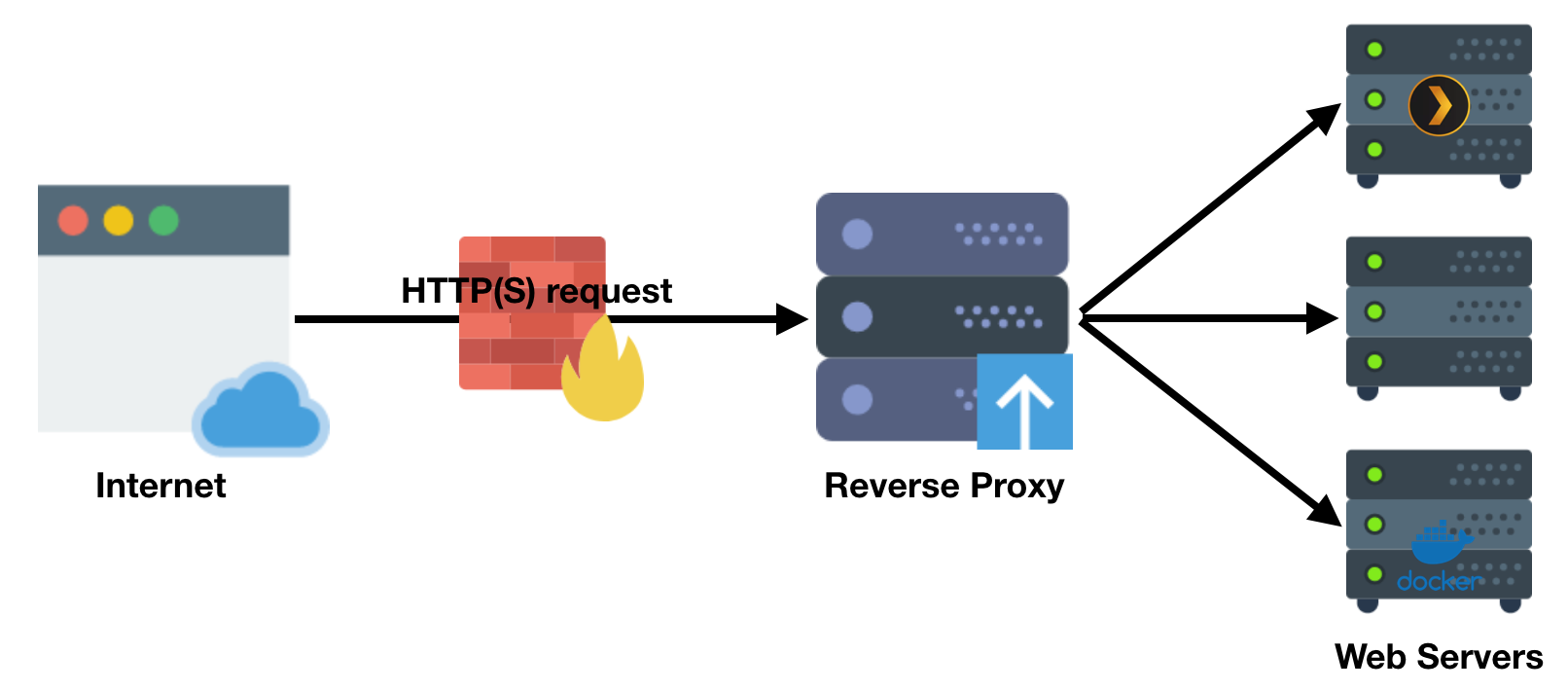
panjf2000/goproxy is a open-source project on GitHub, written primarily in Go. It has 299 stars. 🦁 goproxy is a proxy server which can forward http or https requests to remote servers./ goproxy 是一个反向代理服务器,支持转发 http/https 请求。
Snapshot summary built from the project's own GitHub metadata — there's no written TopGit review yet. The page will update automatically when a full review is published.
WHY NO REVIEW YET
TopGit writes full reviews for the most-starred, most-requested repositories. This page is a snapshot until then — see the READ ME tab for the original README in full.
goproxy is a load-balancing, reverse-proxy server implemented in go, supporting cache( in memory or Redis). As a load-balancing server, it supports 4 algorithms: Randomized Algorithm, Weight Round Robin Algorithm, Power of Two Choices (P2C) Algorithm, IP Hash Algorithm, Consistent Hashing with Bounded Loads Algorithm, besides, goproxy can dominate the http requests: filtering and blocking specific requests and even rewriting them.
Sometimes your program needs to call some third party API and wants to customize the responses from it, in that case, goproxy will be your great choice.
🚀 Features:
Supporting reverse-proxy, 7 load-balancing algorithms in goproxy: Random, IP Hash, Round Robin, Weight Round Robin, Power of Two Choices (P2C), Consistent Hashing with Bounded Loads, Least Load
Supporting GET/POST/PUT/DELETE Methods in http and CONNECT method in https in goproxy
Supporting HTTP authentication
Filtering and blocking specific http requests and even rewriting them in goproxy
Customizing responses from third-party API
Cache support with memory or Redis to speed up the responding and the expired time of caches is configurable
Flexible and eager-loading configurations
🎉 How to use goproxy
1.Get source code
go get github.com/panjf2000/goproxy
Besides, you also need a Redis to support caching responses if you enable Redis config in goproxy.
2.Compile the source code
cd $GOPATH/src/github.com/panjf2000/goproxy

go build
3.Run
goproxy uses cfg.toml as its configurations file which is located in /etc/proxy/cfg.toml of your server, you should create a cfg.toml in there previously, here is a typical example:
proxy_pass:back-end servers that actually provide services, like ["127.0.0.1:80^10","127.0.0.1:88^5","127.0.0.1:8088^2","127.0.0.1:8888"], weight can be assigned to every single server
inverse_mode:load-balancing algoritms:0 for Randomized Algorithm; 1 for Weight Round Robin Algorithm; 2 for Power of Two Choices (P2C) Algorithm; 3 for IP Hash Algorithm based on hash ring; 4 for Consistent Hashing with Bounded Loads Algorithm
auth:enable http authentication or not
cache:enable responses caching or not
cache_timeout:expired time of responses caching, in seconds
cache_type: redis or memory
log:log level, 1 for Debug,0 for info
log_path:the path of log files
user:user name from http authentication
http_read_timeout:duration for waiting response from the back-end server, if goproxy don't get the response after this duration, it will throw an exception
http_write_timeout:duration for back-end server writing response to goproxy, if back-end server takes a longer time than this duration to write its response into goproxy, goproxy will throw an exception
[redis]
redis_host:redis host
redis_pass:redis password
max_idle:the maximum idle connections of redis connection pool
idle_timeout:duration for idle redis connection to close
max_active:maximum size of redis connection pool
[mem]
capacity: cache capacity of items
cache_replacement_policy: LRU or LFU
There should be a binary named goproxy as the same of project name after executing the go build command and that binary can be run directly to start a goproxy server.
The running goproxy server listens in the port set in cfg.toml and it will forward your http requests to the back-end servers set in cfg.toml by going through that port in goproxy.
🎱 Secondary development
Up to present, goproxy has implemented all basic functionalities like reverse-proxy, load-blancing, http caching, http requests controlling, etc and if you want to customize the responses more accurately, you can implement a new handler by inheriting (not a strict statement as there is no OO in golang) from the ProxyServer struct located in handlers/proxy.go and overriding its method named ServeHTTP, then you are allowed to write your own logic into it.
The most recent commit recorded on panjf2000/goproxy was 4.5 years ago, based on the GitHub push timestamp. The repository has 52 forks — one of the better signals of community interest.
How many stars does panjf2000/goproxy have?
panjf2000/goproxy has 299 GitHub stars — refresh the page for the live number, or check github.com/panjf2000/goproxy. TopGit mirrors GitHub's count but does not claim minute-by-minute accuracy.
Is panjf2000/goproxy open source?
Yes — panjf2000/goproxy ships under the GPL-3.0 license, which makes its source code freely readable (and, depending on license terms, forkable and reusable). Source: github.com/panjf2000/goproxy.
What is panjf2000/goproxy?
panjf2000/goproxy (panjf2000/goproxy) is a Go project on GitHub. From the project's own README: 🦁 goproxy is a proxy server which can forward http or https requests to remote servers./ goproxy 是一个反向代理服务器,支持转发 http/https 请求。
Where do I read more about panjf2000/goproxy?
This TopGit page is a snapshot — the READ ME tab shows the project's own README content (links stripped, images preserved). The GitHub repository at github.com/panjf2000/goproxy is the definitive source.
Read full README in the tab above.
Still deciding about goproxy?
One click hands the question to an AI along with this page — see what it says about goproxy.

 /goproxy