64 GitHub stars and counting — wilsonfreitas/R-fixedincome is a R project TopGit is tracking across repositories on the platform. Fixed income tools for R
Snapshot summary built from the project's own GitHub metadata — there's no written TopGit review yet. The page will update automatically when a full review is published.
WHY NO REVIEW YET
TopGit writes full reviews for the most-starred, most-requested repositories. This page is a snapshot until then — see the READ ME tab for the original README in full.
Calculations involving interest rates are usually very easy and
straightforward, but sometimes it involves specific issues that makes
the task of writing structured and reproducible code for it challenging
and annoying. The fixedincome package brings many functions to
structure and create facilities to handle with interest rates, term
structure of interest rates and specific issues regarding compounding
rates and day count rules, for example.
Below there are a few examples on how to create and make calculations
with interest rates using fixedincome.
Installation
You can install from CRAN with:
install.packages("fixedincome")
You can install the development version of fixedincome from
GitHub with:
To create an interest rate we need to specify 4 elements:
the value of the interest rate itself, a decimal number
the compounding regime of interest rate, that can be simple,
discrete or continuous.
the day count rule which defines how interest is accrued over time, we
have a few options, for example, actual/360 where the days between
two dates are calculated as the difference and the year is assumed to
be 360 days.
the calendar used to count the number of days between two dates, we
have actual calendar that compute the difference between two dates.
There is another important topic that wasn’t declared here that is the
frequency of interest. To start with the things simple fixedincome
handles only with annual rates since this represents the great
majority of rates used in financial market contracts, but this
restriction can be reviewed in the future.
Given that let’s declare an annual spot rate with a simple
compounding, an actual/360 and the actual calendar.
library(fixedincome)
sr <- spotrate(0.06, "simple", "actual/360", "actual")
sr
#> [1] "0.06 simple actual/360 actual"
How active is development on wilsonfreitas/R-fixedincome?
The most recent commit recorded on wilsonfreitas/R-fixedincome was 10 days ago, based on the GitHub push timestamp. The repository has 25 forks — one of the better signals of community interest.
How many stars does wilsonfreitas/R-fixedincome have?
wilsonfreitas/R-fixedincome has 64 GitHub stars — refresh the page for the live number, or check github.com/wilsonfreitas/R-fixedincome. TopGit mirrors GitHub's count but does not claim minute-by-minute accuracy.
What language is wilsonfreitas/R-fixedincome written in?
wilsonfreitas/R-fixedincome is written primarily in R. GitHub's language field is based on the largest share of bytes in the default branch.
What topics is wilsonfreitas/R-fixedincome associated with?
GitHub's repository topics for wilsonfreitas/R-fixedincome: "bonds", "calendar", "finance", "fixed-income", "interpolation", "plot", "pricing-bonds", "r", "spot-rate-curve". TopGit's editorial category is open-source.
Where can I see wilsonfreitas/R-fixedincome in action?
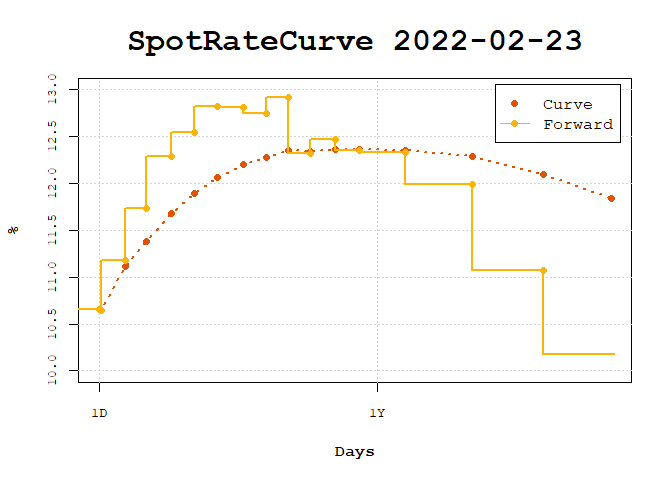
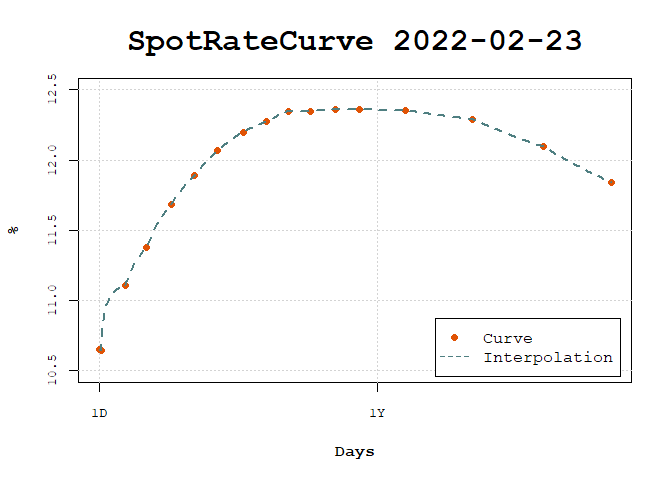
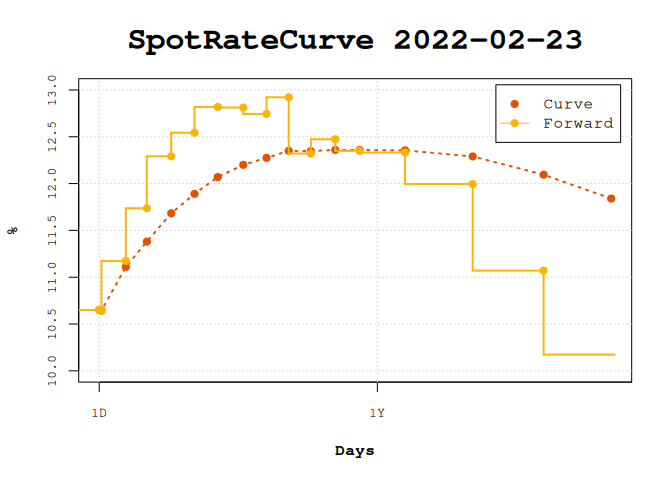
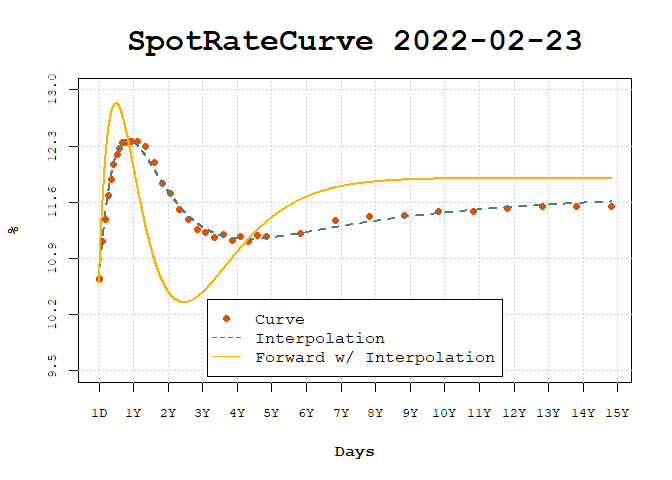
The project maintains a homepage at http://wilsonfreitas.github.io/R-fixedincome/. The README tab on this page also usually contains screenshots and a quickstart.
Where do I read more about wilsonfreitas/R-fixedincome?
This TopGit page is a snapshot — the READ ME tab shows the project's own README content (links stripped, images preserved). The GitHub repository at github.com/wilsonfreitas/R-fixedincome is the definitive source.
Read full README in the tab above.
Is R-fixedincome worth your time?
ChatGPT, Claude and Perplexity can all read this page. Ask one of them what it makes of R-fixedincome.

 /R-fixedincome